Chapter 4: Linking Hearing Loss and Diabetes Essential Knowledge You Shouldn’t Miss!
In 2014, there was increased emphasis on hearing health.
As a doctor, you may start by asking patients whether they have ever had a hearing test. In addition to referring patients for examinations and encouraging them to seek treatment, more importantly, doctors should inform patients about the risks associated with hearing loss, including other risks such as comorbidities that may be life-threatening.
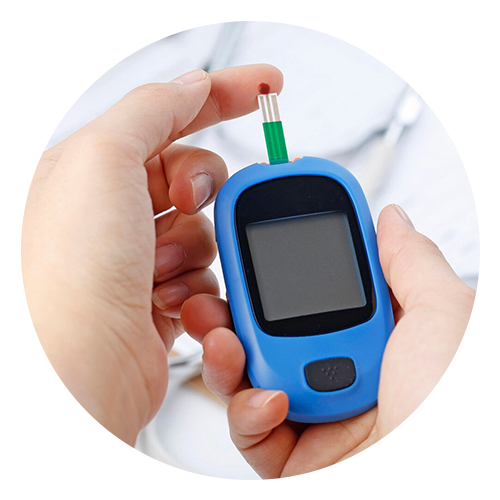
[Patients with type 2 diabetes (about 95% of diabetes cases in the United States) are twice as likely to experience hearing loss compared to the general population.]
The relatively high prevalence of hearing loss in diabetic patients.
Doctors should explain to patients that research shows diabetic patients are at a higher risk of hearing loss. Tests conducted across low, mid, and high frequencies concluded that all frequency ranges are affected, with high-frequency hearing loss being particularly significant—from mild to severe high-frequency loss, and even mid-frequency impairment. Among 399 diabetic patients, approximately 21% had hearing loss.
In comparison, among 4,741 healthy adults, only 9% had hearing loss. When comparing individuals with mild to severe high-frequency hearing loss, about 54% were diabetic patients, while only about 32% of healthy older adults experienced hearing loss.
Another major study focused on national health examinations and hearing tests conducted between 1999 and 2004, collecting data from over 5,000 participants. It found that 15% of the general population had hearing loss, while 30% of diabetic patients experienced hearing loss. This study highlights that early screening and timely intervention can reduce the impact of hearing deterioration in elderly individuals with diabetes.
[Diabetic patients have a 2.15 times higher risk of hearing loss compared to the general population. If the patient is under 60 years old, the risk increases to 2.61 times, and for those over 60, the risk increases to 1.58 times.]
Medical Warning Diabetes may lead to sensorineural hearing loss.
From research on hearing assessments in patients with diabetes, findings indicate that diabetes may cause physical abnormalities that damage the inner ear’s auditory nerves and blood vessels, leading to sensory hearing loss, including:
Vascular stiffening in the inner ear
Thickening of neural and vascular structures of hair cells
Damage to the auditory nerve
Influences from metabolic disorders
The research shows that various levels of hearing loss are commonly found in patients with Type 2 diabetes.
[Patients newly diagnosed with diabetes may have normal or slightly impaired hearing and gradually progress into neural hearing loss.]
[Untreated hearing loss may worsen, and communication difficulties at work and in social interactions may increase to the point of causing anxiety and depression.]
Physicians should be encouraged to inform patients about the relationship between hearing loss and diabetes.
Physicians must recognize that undiagnosed diabetic patients should undergo regular hearing evaluations. Hearing tests are essential to identify whether damage has occurred. Hearing impairment may be an indicator of diabetes or other cardiovascular-related diseases. Physicians should advise patients to maintain or promptly monitor their hearing health to help preserve overall well-being.
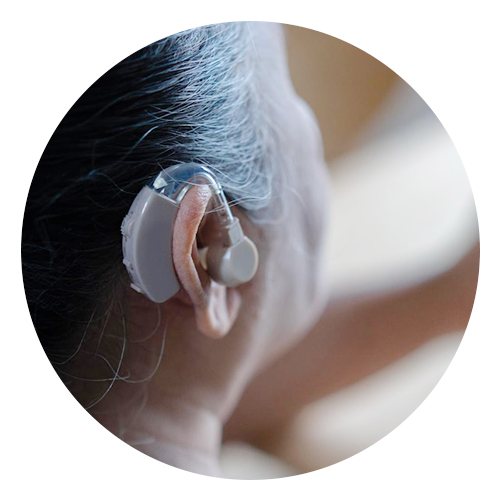
Upon diagnosing a patient with diabetes, physicians should warn that hearing loss is a possible complication. Diabetic patients should receive hearing assessments annually. If early-stage hearing loss is detected, the prompt use of appropriate hearing aids or other effective treatment options should be considered.
Expert guidance from specialized hearing professionals
At Digibionic Hearing Center, we offer comprehensive services.
Whether it’s a hearing assessment, hearing aid trial, or hearing consultation, we offer free services. We also provide home visits in Bangkok for those unable to visit our branches. Currently, we have branches across Bangkok ready to serve you conveniently: Sena Nikhom Branch Sam Yot Branch Saphan Khwai Branch Udomsuk Branch Bang Kapi Branch Bang Khae Branch
All of our branches have professional specialists with the knowledge and experience to provide the best guidance and services. Visiting a Digibionic Hearing Center ensures you receive a thorough hearing assessment and advice tailored to your needs. Don’t hesitate to contact the Digibionic Hearing Center nearest you or call 02-115-0568 to schedule an appointment. We are ready to help you fully enjoy the sounds around you and live a high-quality life.