

Physicians have become familiar with the side effects caused by radiation and chemotherapy in cancer treatment. “Doctors must understand the side effects of chemotherapy and radiation therapy. However, only in recent years has research begun to examine the risks of hearing loss and related symptoms (such as tinnitus) in patients undergoing cancer treatment. This research indicates that hearing loss is strongly associated with the use of certain medications in therapy. Most importantly, physicians and specialists treating cancer patients need to understand the harmful risks to hearing and the long-term consequences, which may include permanent hearing loss.”

Certain medications used in treatment, or radiation therapy, may cause ototoxicity. Depending on the treatment method and the severity of the condition, the resulting symptoms may include permanent hearing loss.
This type of hearing loss affects the inner-ear hair cells and auditory neurons. The damage progresses gradually, becomes permanent, and cannot be reversed. Because the auditory nerve also helps the brain regulate balance and sound processing, patients may experience dizziness or loss of balance.
Ototoxic substances found in cancer-treating medications include:
Carboplatin and Cisplatin
Other chemotherapy drugs such as Bleomycin, Vincristine, Vinblastine, Bromocriptine, Methotrexate, and Nitrogen mustard
Various platinum-based drugs used in cancer therapy are commonly prescribed for adult cancers such as brain cancer, head and neck cancer, lung cancer, kidney cancer, and ovarian cancer. They are also widely used in pediatric cancers, including neuroblastoma, bone cancer, and liver cancer.
Actual hearing loss may involve balance problems and an increased risk of falls, especially in older adults. Tinnitus may also develop, causing significant discomfort.
Psychological effects include depression, anxiety, poor concentration, or low self-esteem.
Economic effects may impact employment opportunities and the ability to maintain stable work.
Anticancer drugs used in adults can cause permanent hearing loss just as they do in children, and the severity often increases with long-term use.
Ototoxic cancer treatments can sometimes be limited by adjusting the dosage or switching to medications with lower ototoxicity. However, doing so may reduce the effectiveness of the cancer therapy. Therefore, careful evaluation of risks and benefits is essential to achieve optimal long-term treatment outcomes and preserve the patient’s quality of life.
“Twenty years ago, many patients felt fortunate simply to survive. Today, however, quality of life after cancer treatment has become increasingly important.”

Researchers have found that the available statistical data is still quite limited, but some studies indicate that the success rate of collecting data from children undergoing cancer treatment is less than 50% (especially in children under 5 years old).
A study was conducted on 67 children aged between 8 months and 23 years who had been diagnosed with cancer and treated with ototoxic chemotherapy.
The study revealed that 61 children (91%) experienced high-frequency hearing loss (HFHL). High-frequency hearing is crucial for the development of listening and speaking skills, especially in young children. Some children with impaired high-frequency hearing may require additional support, such as hearing aids.
Other findings from the study include:
• 23 children (34%) had hearing problems requiring further treatment.
• Several children required ongoing support for language development and future learning.
“This may affect a child’s developmental process. A research survey evaluating approximately 1,200 children with mild hearing loss found that these children had lower academic and social performance compared to children with normal hearing. Only 3% of children with normal hearing had academic difficulties at school, while as many as 37% of children with mild hearing loss showed poor academic performance. They also experienced more issues related to behavior, activities, stress, and self-esteem.”
Conclusion: Hearing loss may be a side effect of certain medications or radiation therapy. During treatment, audiologists can help accurately assess and identify potential impacts and provide more appropriate treatment options. Providing patients with information and choices can significantly reduce these effects. The medical industry needs to further educate healthcare providers and patients on prevention and treatment approaches, including hearing loss, which requires proper care and management.


Patients with low-frequency hearing loss are classified as a high-risk group for cardiovascular disease.
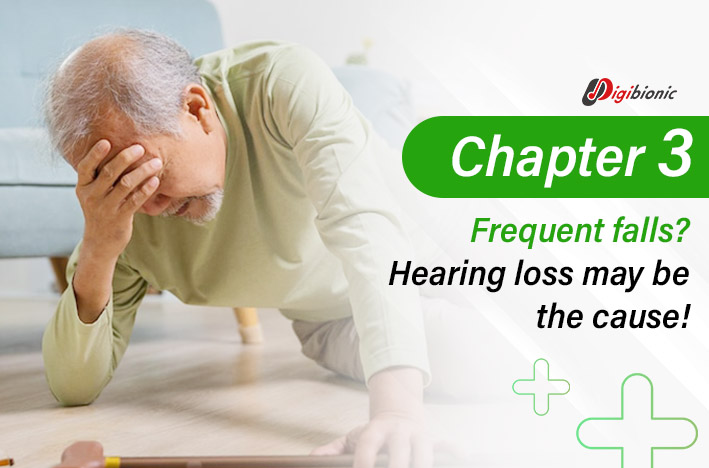
Doctors often check older adults regularly, recommending vision tests and monitoring medications to see if they have any effects…

As a doctor, you may start by asking patients whether they have ever had a hearing test.
เราใช้คุกกี้เพื่อพัฒนาประสิทธิภาพ และประสบการณ์ที่ดีในการใช้เว็บไซต์ของคุณ คุณสามารถศึกษารายละเอียดได้ที่ นโยบายความเป็นส่วนตัว และสามารถจัดการความเป็นส่วนตัวเองได้ของคุณได้เองโดยคลิกที่ ตั้งค่า