
3 Ways to Choose a Hearing Aid
Expensive hearing aids come with many features, but an expensive hearing aid may not be the right one for you! Choosing a hearing aid is not about its price, but about finding the one that suits you best. When selecting a hearing aid, you should choose one that matches your hearing condition and provides comfort while wearing it.
There are 3 key principles to consider when choosing a hearing aid.
When selecting a hearing aid, you can evaluate the type and characteristics of the device you need based on three main factors: your hearing condition, your lifestyle needs, and hearing outcomes.
3 Key Principles to Consider Before Choosing a Hearing Aid | |
|---|---|
| Principle | Details |
| 1. Hearing Condition of the User | – Ear canal condition – Age – Level of hearing loss |
| 2. Hearing Aid Needs and Environment | – Living environment – Usage requirements |
| 3. Characteristics and Performance of the Hearing Aid | – Hearing aid design – Try the hearing aid in real-life settings and experience the results |
Hearing Impairment and Hearing Condition
Condition of the Ear Canal
If the ear canal is frequently infected or has discharge, such as in cases of chronic otitis media, it is best to avoid in-ear hearing aids, as they can be easily damaged. The size of the ear canal also affects the choice of hearing aid.
Age
When fitting hearing aids for the elderly, it is important to consider coordination between vision and hand movement. It is recommended to choose behind-the-ear or rechargeable hearing aids.
Hearing Level
Hearing loss may be congenital or acquired. The degree of hearing loss is generally classified into three levels: mild, moderate, and severe. Hearing loss can occur in one or both ears, and the appropriate type and style of hearing aid will differ accordingly. For example, hearing aids designed for moderate to severe hearing loss are usually larger in size.
Environmental and Usage Needs
Living Environment
People with active lifestyles, who frequently engage in both indoor and outdoor activities, should choose versatile hearing aids with advanced sound processing features. Those with more stationary lifestyles, such as elderly individuals who stay mostly at home, can opt for comfortable hearing aids with basic functions.
Usage Requirements
The wearer’s daily lifestyle can also guide the selection of suitable hearing aid features. For example, students, working adults, and retirees each have different functional needs when it comes to hearing aids.
Characteristics and Functionality of the Hearing Aid
Hearing Aid Design
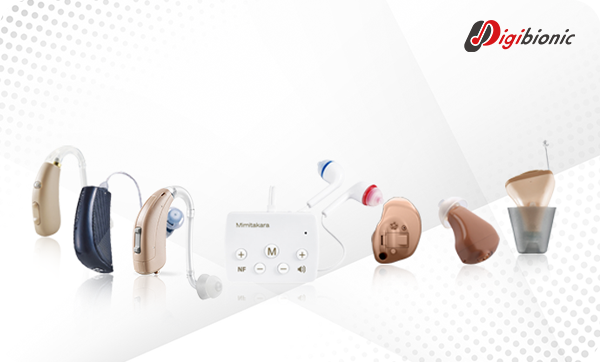
Hearing aids can generally be categorized into portable, in-ear, and behind-the-ear types. The shape and design should be chosen according to individual needs. However, certain styles are better suited for specific conditions — for instance, in-ear models are recommended for users with dry ear canals.
Try the Hearing Aid in Real-Life Situations
Hearing aids come with various features, and sound quality differs across brands. It is recommended to try the hearing aid before purchasing to find the most suitable one for you. At the same time, comfort while wearing it is also a key factor to consider.
“When choosing a hearing aid, it is recommended to seek guidance from a professional hearing care specialist or audiologist to adjust the device based on a comprehensive assessment, ensuring the best possible wearing experience.”
Understand Hearing Aids at a Glance!
A Comparison Chart of Different Types of Hearing Aids
When you first encounter hearing aids and feel overwhelmed by the abundance of information — from their appearance and features to pricing and possible pros and cons — Digibionic is here to help you understand hearing aids in one go! This guide can serve as a useful reference when choosing the right hearing aid for you.
| Type of Hearing Aid | Sound Quality | Suitable For | Features | Price Range (THB) |
|---|---|---|---|---|
| Analog Hearing Aid | Tends to have background noise; easy to use | Mild – Moderate | ** | 980 – 5,980 |
| Manual Digital Hearing Aid | Basic noise reduction processing; easy to use with multiple sound levels | Mild – Severe | ** | 5,980 – 8,800 |
| In-the-Ear Digital Hearing Aid | Customizable sound quality by frequency; users can adjust sound via mobile app; suitable for users with dry ears | Moderate – Severe | *** | 12,000 – 25,000 |
| Behind-the-Ear Digital Hearing Aid | Customizable sound quality by frequency; users can adjust sound via mobile app; manual volume adjustment on the device | Moderate – Severe | *** | 12,000 – 25,000 |
| In-the-Ear Bluetooth Digital Hearing Aid | Self-adjustable via mobile app; Bluetooth connectivity with audio streaming; delivers the most natural sound and performs best in noisy environments | Moderate – Severe | ***** | 30,000 and above (Digibionic offers the only Bluetooth model in Thailand priced at 5,000 – 9,000) |
| Behind-the-Ear Bluetooth Digital Hearing Aid | Self-adjustable via mobile app; Bluetooth connectivity with audio streaming; delivers the most natural sound and performs best in noisy environments; manual volume control on the device | Moderate – Severe | ***** | 30,000 and above (Digibionic offers the only Bluetooth model in Thailand priced at 5,000 – 9,000) |
Learn How to Understand Your Hearing Aid
Before choosing a hearing aid, let’s explore the 6 key functions to understand how your device works! In addition to its features, you can also choose different styles and colors of hearing aids. (Options may vary depending on the type and level of the device, and not all functions are compatible with every model.)
Charging Function
Rechargeable hearing aids: Simply place them in the charger every night before bed. Some models come with a portable charging case, so you don’t have to worry about changing batteries.
Noise Reduction
Detects surrounding noise and reduces it at specific frequencies.
Directional Microphone
Focuses on sounds coming from the front while minimizing sounds from behind to enhance conversational clarity.
Ambient Noise Control Function
Offers multiple preset settings such as quiet indoor or noisy outdoor environments — adjusting automatically based on your surroundings.
Direct Audio Input Function
Bluetooth streaming and related technologies connect wirelessly to smartphones or TVs, transmitting sound directly to your hearing aids.
Versatile Operation and Customization
Includes data logging and memory functions that allow your hearing aids to be adjusted according to personal preferences and surrounding environments. You can also use your hearing aids alongside mobile apps and other accessories.

เราใช้คุกกี้เพื่อพัฒนาประสิทธิภาพ และประสบการณ์ที่ดีในการใช้เว็บไซต์ของคุณ คุณสามารถศึกษารายละเอียดได้ที่ นโยบายความเป็นส่วนตัว และสามารถจัดการความเป็นส่วนตัวเองได้ของคุณได้เองโดยคลิกที่ ตั้งค่า