Warning! In daily life,
if you encounter this kind of situation,
you must remove your hearing aids immediately.

A few days ago, a friend with hearing loss asked me whether it is necessary to remove hearing aids when going to the hospital for an ultrasound examination.

The answer is: No, it is not necessary. Wearing hearing aids during an ultrasound procedure does not cause any problems and actually helps ensure smoother communication with the doctor.

So then… in what situations should hearing aids be removed? Let’s use my friend’s question as a starting point to explain in detail which everyday situations require removing hearing aids in order to avoid possible damage. After all, damage not only leads to repair or replacement costs, but can also affect daily life.

When washing your face, shampooing, showering, or swimming

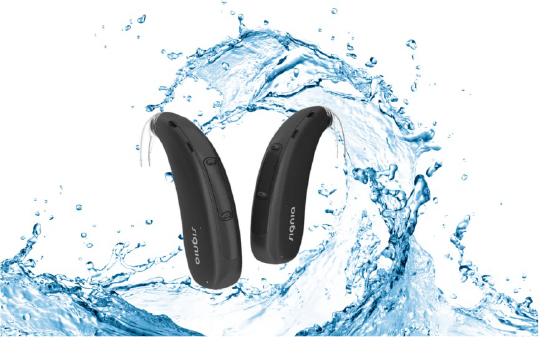
Many people may notice that all of these situations involve “water.” That’s right—hearing aids need to be protected from water in everyday use, because exposure to water can cause moisture buildup and damage the device. Although modern hearing aids are made with materials that offer a certain level of water resistance, it’s important to remember that “water-resistant” does not always mean “moisture- or sweat-proof.”

If a hearing aid gets wet or exposed to moisture and is not dried immediately, internal components can corrode easily. This may result in reduced sound quality or no sound at all, affecting not only usability but also shortening the lifespan of the hearing aid.

While sleeping

When you lie down, the shape of the ear canal changes slightly, which can cause the hearing aid to no longer fit securely or may even fall out. This can result in “whistling” or “hissing” feedback sounds that disturb sleep and reduce sleep quality. If you sleep on your side, the hearing aid may also be pressed against your ear, causing pain or discomfort. Wearing comfort decreases and may lead to ear soreness or pain afterward.

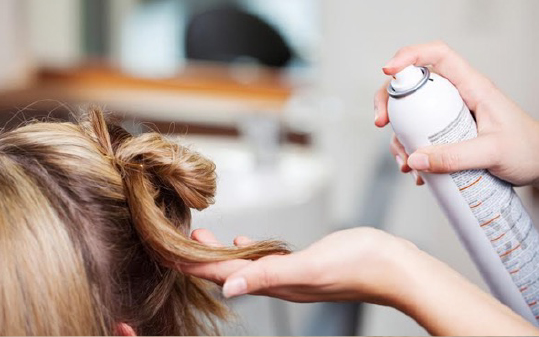
While using hair styling sprays (such as hairspray)

Spray residue can stick to the hearing aid and clog the microphone ports, which can affect sound quality and overall performance. Therefore, you should never wear hearing aids while using sprays. Always wait until the spray has completely dried before putting your hearing aids back on.

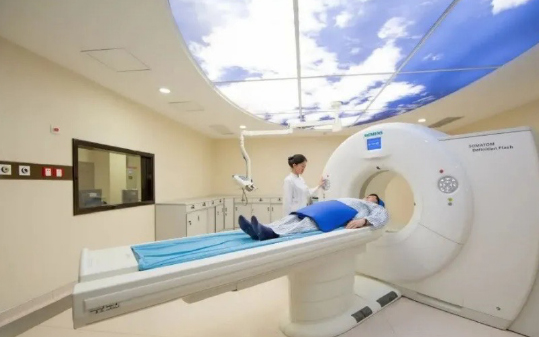
During an MRI (Magnetic Resonance Imaging) examination

MRI is a medical imaging technique that uses strong magnetic fields and radio waves to create detailed images of the inside of the body. Due to the way MRI works, any magnetic materials or electronic devices must not be brought into the MRI room, as they can be demagnetized or damaged. Hearing aids are electronic devices, so they are also affected. Therefore, always remember to remove your hearing aids before undergoing an MRI examination.

During takeoff and landing on an airplane

In general, hearing aids can be worn throughout the flight and do not need to be removed. However, during takeoff and landing, air pressure changes rapidly, which may cause an imbalance in middle ear pressure. This can result in a feeling of ear fullness or pressure-related middle ear inflammation. Therefore, it is recommended to temporarily remove hearing aids during takeoff and landing to avoid ear canal blockage and to allow the eardrum to equalize pressure more easily.

In cases of ear inflammation

This topic has been discussed in detail in a previous article regarding whether wearing hearing aids for long periods may cause side effects, such as ear discomfort or even lead to ear inflammation or pain.

In addition, there are certain situations that many people mistakenly believe hearing aids cannot be worn, when in fact they can be used normally.

For example:

During airport security screening
According to international security standards, people wearing hearing aids do not need to remove them when passing through security scanners. X-ray screening generally does not cause any damage to hearing aids.

During exercise
Hearing aids can also be worn while exercising, as long as they are used appropriately. This includes avoiding excessive sweat buildup and paying special attention to moisture control.

Finally, let’s review once again the situations in which hearing aids should be removed:

  • When washing your face, shampooing, showering, or swimming

  • While sleeping

  • When spraying hair styling products

  • During an MRI scan (Magnetic Resonance Imaging)

  • During airplane takeoff or landing

  • When experiencing ear inflammation

Keep these situations in mind to avoid damage to your hearing aids and to ensure they do not interfere with your daily life.

Guidance provided by specialized experts.

Call 02-115-0568 to book an appointment.

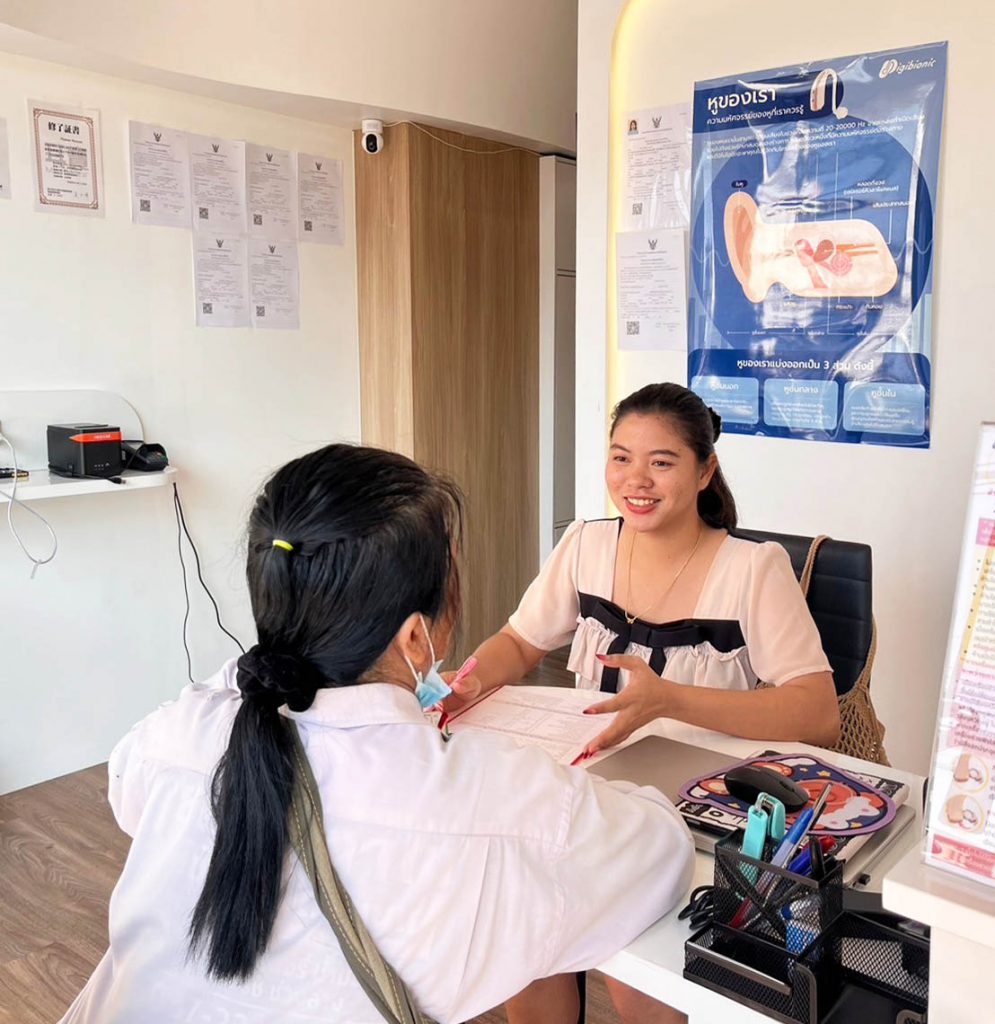
Expert consultation services are available to help reduce risky behaviors that may lead to hearing loss and provide guidance on proper ear canal care. If you are interested in a hearing test or hearing aids, feel free to contact Digibionic. We are ready to assist you at all branches.

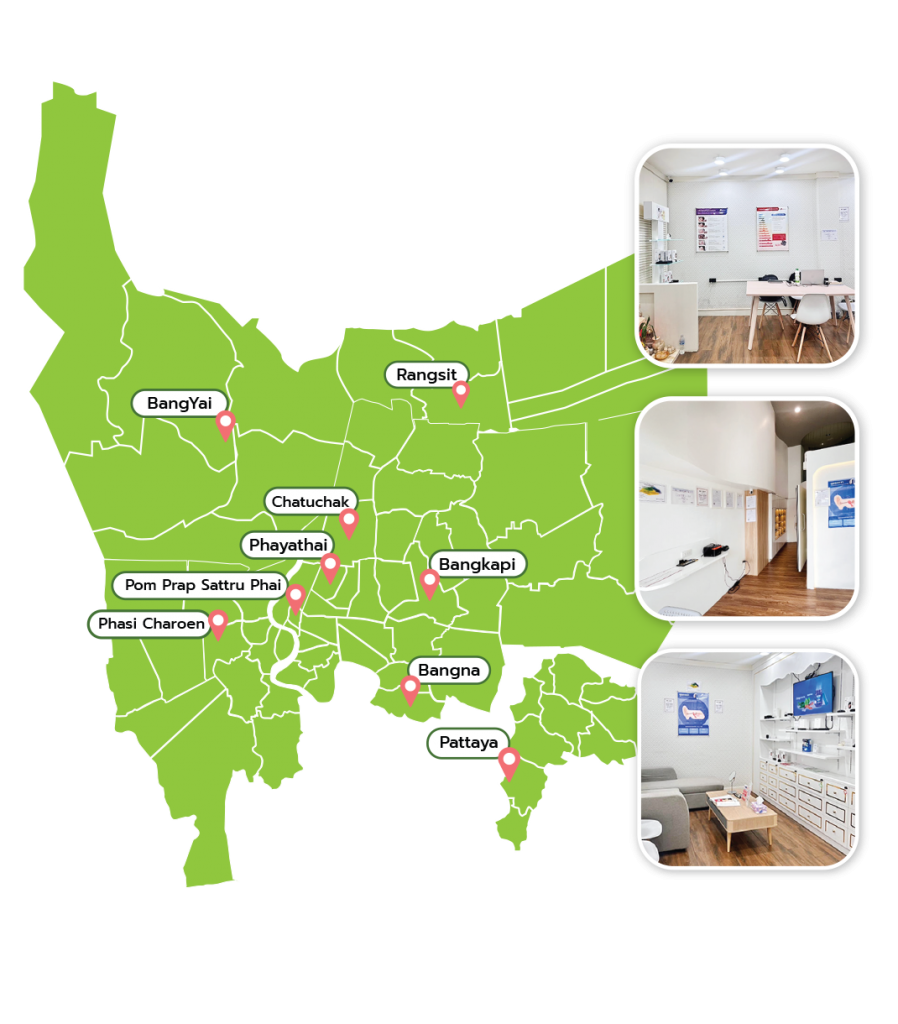
We now have 9 branches open across Bangkok.

Digibionic Thailand

● Chatuchak
● Pom Prap Sattru Phai
● Phaya Thai
● Bang Kapi
● Bang Na
● Phasi Charoen
● Bang Yai
● Rangsit
● Pattaya

Interesting articles.

New Hearing Aid Service Center 2025.

The latest model Hearing Aid Service Center of 2025. The newest hearing aids with excellent quality and service.

STREAMLINE TV: A New Dimension of TV Viewing for Signia Hearing Aids.

If you’re someone who loves watching TV but feels that the sound isn’t clear enough or needs to turn up the volume so loud

Signia Streamline Mic: The advanced microphone that will make your Signia hearing aid hear clearer than ever before.

If you’re someone who wants to hear speech clearly, even when you’re far from the speaker or in a noisy environment

เราใช้คุกกี้เพื่อพัฒนาประสิทธิภาพ และประสบการณ์ที่ดีในการใช้เว็บไซต์ของคุณ คุณสามารถศึกษารายละเอียดได้ที่ นโยบายความเป็นส่วนตัว และสามารถจัดการความเป็นส่วนตัวเองได้ของคุณได้เองโดยคลิกที่ ตั้งค่า

Privacy Preferences

คุณสามารถเลือกการตั้งค่าคุกกี้โดยเปิด/ปิด คุกกี้ในแต่ละประเภทได้ตามความต้องการ ยกเว้น คุกกี้ที่จำเป็น

Allow All
Manage Consent Preferences
  • Always Active

Save