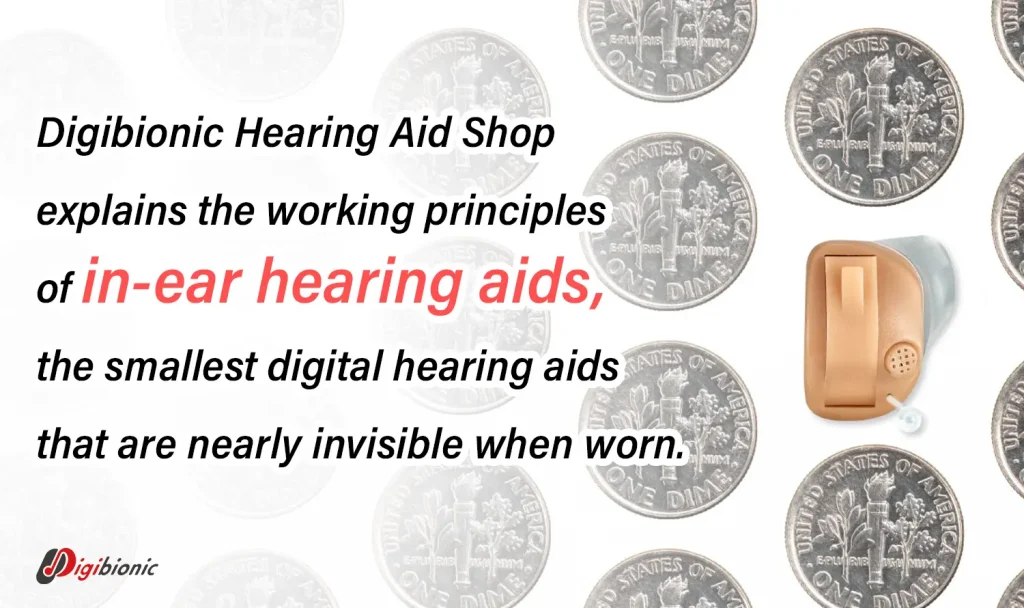
Digibionic Hearing Aid Store explains
the working principle of in-ear hearing aids
the smallest digital hearing aids
that are nearly invisible when worn.

Basic knowledge of how hearing aids work What is a hearing aid?

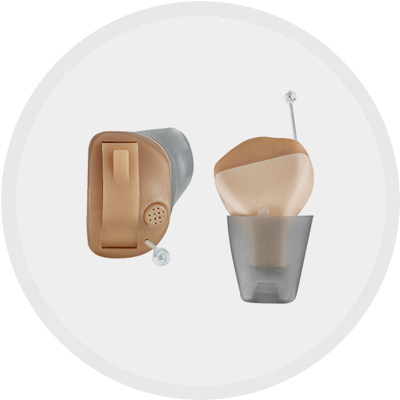
In-the-ear hearing aids are designed with a compact structure to ensure comfortable, discreet placement inside the ear canal. Key components include a small microphone that captures surrounding sound, a signal processor that amplifies sound appropriately, a miniature speaker that delivers sound into the ear canal, and a small battery engineered for longer usage. The device is typically crafted with a simple, streamlined appearance that blends naturally with the shape of the ear, providing comfort and a natural look during use.

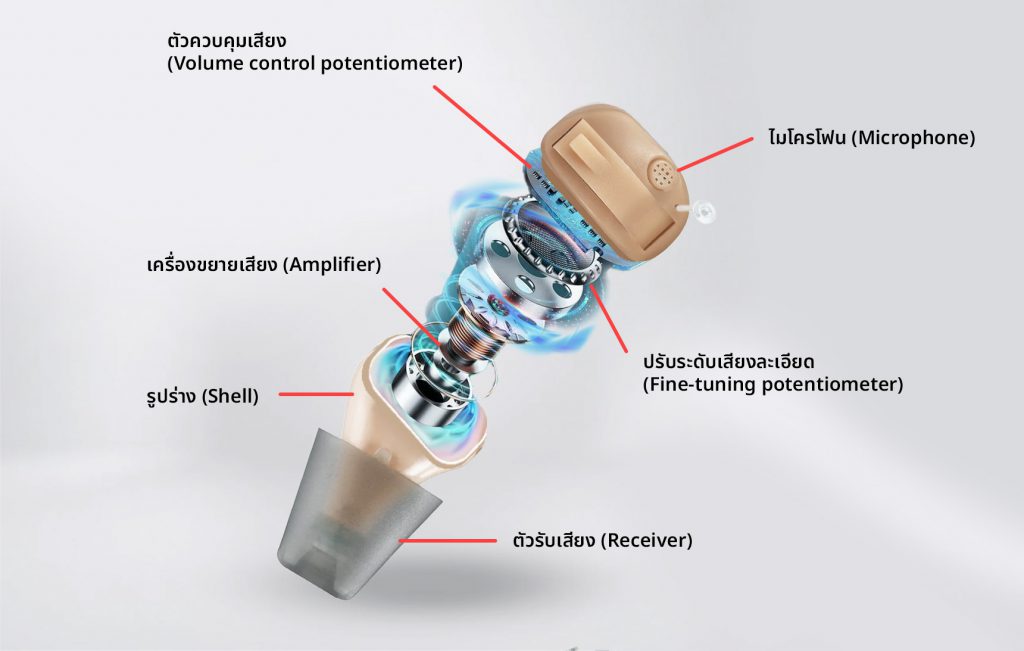
Illustrative guide to the structure of in-ear hearing aids: “How they work,” “Types,” and “Functions.”

In-the-ear hearing aids are designed with a compact structure for comfortable and discreet wear inside the ear canal. Their key components include a small microphone to capture surrounding sounds, a signal processor that amplifies the sound appropriately, a miniature speaker that delivers the sound into the ear canal, and a small battery engineered for longer life. The device is typically designed with a simple appearance that blends naturally with the shape of the ear, ensuring comfort and a natural look during use.

What is a hearing aid, and how does it help people with hearing loss hear better?

A hearing aid is a small electronic device designed to amplify sound for individuals with hearing difficulties or hearing loss, helping improve listening and communication. Its components include:

Volume Control Potentiometer – adjusts the loudness
Microphone – captures external sounds
Amplifier – increases the strength of the sound signals
Fine-Tuning Potentiometer – allows precise sound adjustment
Shell – the outer casing that houses and protects all components
Receiver – delivers the amplified sound into the ear

These components work together by capturing external sounds, processing and adjusting them according to preset programs, and finally transmitting the enhanced sound to the eardrum at a louder and clearer level, enabling individuals with hearing loss to hear more effectively.
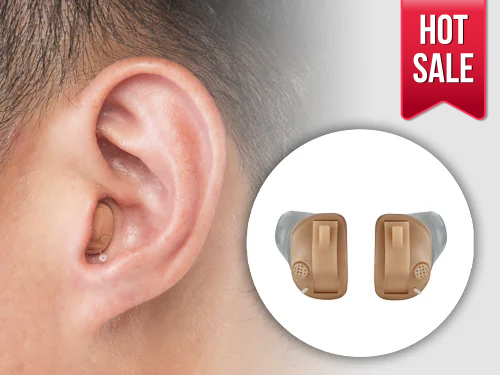
Mimitakara I1 Hearing Aid for Seniors

In-ear cloud hearing aid with a modern, compact design and external noise-cancellation system.

Can connect to various devices, allowing you to enjoy entertainment without limits.

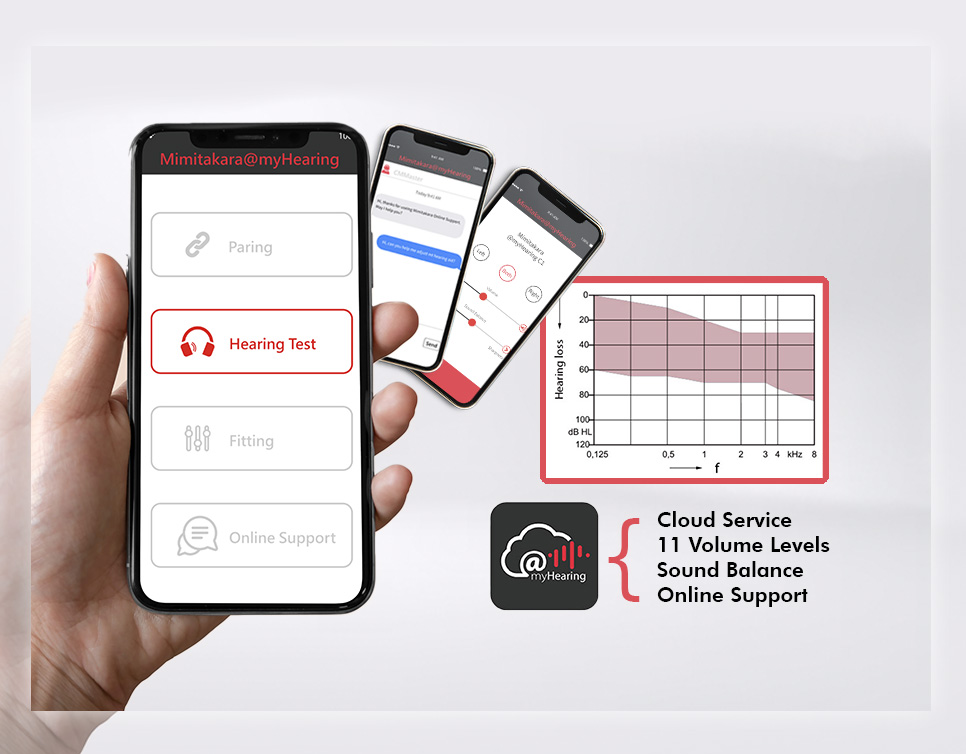
Configurable via the myHearing app for individuals with mild to moderate hearing loss.

Price 18,500.-

  • Full-shell ITC

  • Cloud service available

  • Directional microphone

  • 8 channels / 6 programs

  • App compatible

  • Includes Voice Ranger / Echo reduction

    Durable SecureTec construction with IP65 standard rating

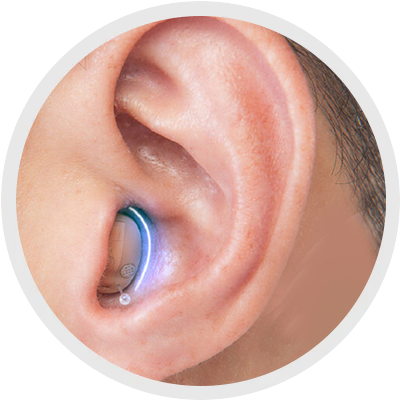
Hidden in the ear canal

Lightweight at only 1 gram

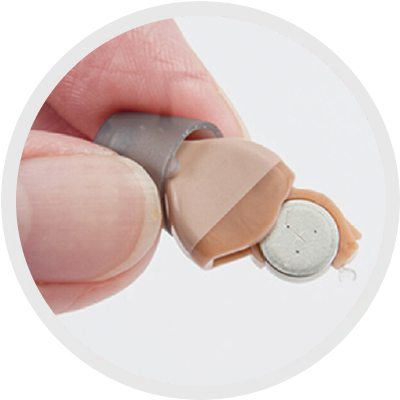
Includes a battery compartment

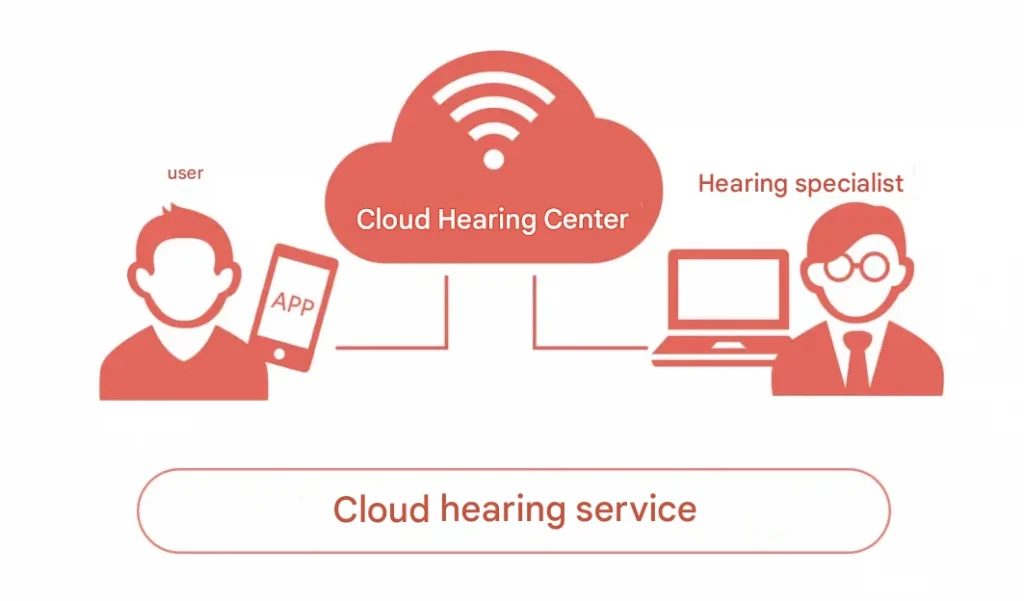
Our popular Mimitakara in-ear hearing aid features the world’s first cloud-based hearing level measurement system developed by hearing specialists. Its modern design is ergonomically shaped to fit the ear canal, compact in size, and equipped with an external noise-cancellation system. Voice Ranger technology enhances hearing quality by emphasizing speech amplification and reducing background noise, allowing you to hear conversations clearly even in noisy environments. Enjoy worry-free hearing wherever you are—Phuket, Chiang Mai, or Bangkok—with the Remote Hearing Cloud Service, which allows expert remote adjustments. You can also customize the sound yourself through the application.

@myHearing

There are four common types of hearing aids available on the market:

Behind-the-ear, receiver-in-canal, and in-the-ear types. In addition, Mimitakara hearing aids distributed by Digibionic also come in other models such as portable types, neckband types, and Bluetooth wireless earbuds.

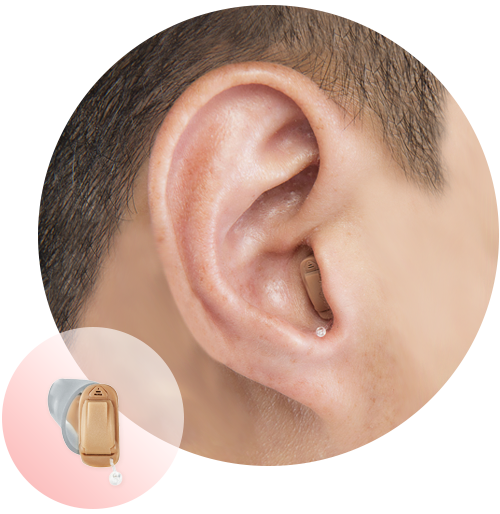
In-The-Canal

This type of hearing aid is designed to fit closely to the user’s ear, offering comfort and a natural feel. Its smaller size, compared to the outer ear, allows for better sound perception and a more natural listening experience.

Behind-The-Ear

This type of hearing aid sits behind the ear and connects to the ear canal via a tube, offering convenience and ease of use. It is durable, robust, and suitable for everyday activities.

Completely-In-Canal

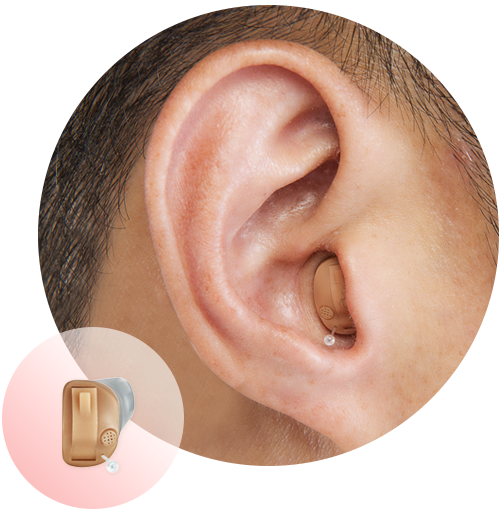
This hearing aid is designed to closely match the shape of the user’s ear and is the smallest size available. It fits entirely inside the ear canal, making it discreet and barely noticeable.

Receiver-In-Canal

This hearing aid sits behind the ear and transmits sound through a thin wire to a speaker placed inside the ear canal. It delivers clear, detailed, and natural-sounding audio.

Hearing Aid Recommendation Table

Hearing Aid TypeAppearanceSuitable Hearing Level
Behind-the-ear hearing aidMedium size, convenient and secure, not easily dislodgedMild to severe
Receiver-in-canal hearing aidRelatively small size, well concealedMild to moderate
In-the-ear hearing aidSmall size, placed in the outer ear canal, slightly visibleMild to moderate
In-the-ear hearing aid (smallest)Smallest size, placed in the ear canal, highly discreetMild to moderate
Portable hearing aidLarger size, can be carried in a pocket or clipped to clothingModerate to severe
Neckband hearing aidVery large size, worn around the neck or in a shirt pocketModerate to severe
Wireless hearing aidMedium size, no wires, easy to useMild to moderate

What are the functions of a hearing aid? What essential features do experts recommend?

Television

Telephone

Noise Reduction

Auto sound Focus

Echo reduction

Watching television
If the user regularly watches dramas, news, or other TV programs, they should choose a Bluetooth hearing aid that can receive audio directly from the television via Bluetooth, providing clearer sound.

Phone conversations
If the user needs to talk with relatives or friends on the phone or through voice chats on Line, they should choose a Bluetooth hearing aid that can receive call audio directly from the phone via Bluetooth for convenient use.

Automatic noise reduction
If the user is often in noisy environments such as air-conditioned rooms, engine rooms, factories, temples, or churches—with continuous noise (including distant voices and traffic) or sudden loud noises (such as fireworks)—they should choose a digital hearing aid capable of automatically filtering and reducing noise.

Automatic sound focusing
If the user is frequently in crowded environments such as meetings, seminars, or restaurants, they should choose a hearing aid with a directional sound function that can automatically focus on voices coming from the front within a 60-degree or 30-degree angle.

Echo reduction
Echo from the user’s own speech or reverberation in large spaces can make conversations difficult to understand. If an elderly user with hearing loss tends to look at the speaker but cannot respond clearly, or replies only with short sounds like “Oh” or “Hmm,” they should choose a hearing aid with an echo-reduction function to improve speech clarity.

How should I compare and choose a hearing aid?

Just like choosing eyeglasses, before buying a hearing aid, you should visit a hearing aid shop for a free hearing test so that a hearing specialist can recommend the most suitable model for you.

When choosing a hearing aid, you should consider the following comparison criteria:

Suitability for daily life and personalized adjustments
Check whether the hearing aid can meet your daily needs, such as hearing performance in different environments, and whether it can be customized to suit your hearing requirements.

Functions and cost-effectiveness (CP Value)
Consider the functions of the hearing aid, such as noise reduction and directional microphones, and compare them with the price to ensure that the chosen device meets your needs and is reasonably priced.

Government subsidies
Check your eligibility for government financial support to help with the purchase of a hearing aid (Universal Coverage Scheme, disability card, Social Security).

Payment convenience
Check whether the hearing aid company offers payment options such as credit cards or installment plans for your convenience.

Warranty period and conditions
Review the warranty period and conditions of the hearing aid to ensure that you will receive after-sales service from the hearing aid shop or provider.

Branch distance or home delivery service
If you are unable to visit the shop, choose a company that offers home delivery services. If you prefer to buy at a hearing aid shop, choose a branch located near your residence.

Authorized distributor of quality products from within the country.

Manufactured in a factory in Taiwan, the products are internationally certified and offer excellent value for money.

Care ‧ Expertise ‧ Value

Participates in government subsidy programs, offers multiple payment options, a 14-day trial period, and lifetime after-sales service.

One-time purchase ‧ Nationwide service

Six branches across Bangkok, with free home service available

We’re ready to serve you with care.

Expert advice from specialized professionals

● Comprehensive services

● Free hearing tests

● Free trial of hearing aids before purchase

● Full after-sales support

● Free home service within Bangkok

● Maintenance and cleaning for your hearing aids

Now open at 6 branches across Bangkok

Digibionic Thailand

● Chatucha

● Pom Prap Sattru Phai

● Phaya Thai

● Bang Kapi

● Bang Na

● Phasi Charoen

Interesting articles.

New Hearing Aid Service Center 2025.

The latest model Hearing Aid Service Center of 2025. The newest hearing aids with excellent quality and service.

STREAMLINE TV: A New Dimension of TV Viewing for Signia Hearing Aids.

If you’re someone who loves watching TV but feels that the sound isn’t clear enough or needs to turn up the volume so loud

Signia Streamline Mic: The advanced microphone that will make your Signia hearing aid hear clearer than ever before.

If you’re someone who wants to hear speech clearly, even when you’re far from the speaker or in a noisy environment

เราใช้คุกกี้เพื่อพัฒนาประสิทธิภาพ และประสบการณ์ที่ดีในการใช้เว็บไซต์ของคุณ คุณสามารถศึกษารายละเอียดได้ที่ นโยบายความเป็นส่วนตัว และสามารถจัดการความเป็นส่วนตัวเองได้ของคุณได้เองโดยคลิกที่ ตั้งค่า

Privacy Preferences

คุณสามารถเลือกการตั้งค่าคุกกี้โดยเปิด/ปิด คุกกี้ในแต่ละประเภทได้ตามความต้องการ ยกเว้น คุกกี้ที่จำเป็น

Allow All
Manage Consent Preferences
  • Always Active

Save