

When you begin using hearing aids, you might wonder how long you should wear them each day. The answer depends on your individual needs and how much time you require to gradually adjust to wearing them throughout the day. Most hearing-aid users wear them all day, especially those who rely heavily on communication in social situations. However, if you are just starting out or planning to wear hearing aids for long periods, you will need to go through an adjustment phase that takes time and should be approached gradually. It is similar to exercising or learning a new skill — you should allow yourself to adapt step by step, as wearing hearing aids all day immediately may cause discomfort or dissatisfaction.
In reality, new users often feel overwhelmed by the increase in surrounding sounds. Your brain needs time to adapt to these new auditory inputs, so don’t worry if you cannot wear your hearing aids all day at first. As you become accustomed to both the devices and the surrounding sounds, everything will gradually become easier. If you are unsure how long you should wear senior hearing aids each day, or if you want to learn more about how to adjust them properly, this article will guide you on how to use hearing aids in your daily life.

There is no absolute right or wrong answer to this question. While wearing hearing aids throughout the entire day offers many benefits, if you feel uncomfortable or overwhelmed by long periods of listening, it’s perfectly fine to take short breaks. Forcing yourself to wear them when you feel fatigued may lead to frustration and a negative experience. If you feel more comfortable taking them off occasionally, allow yourself that break.
However, if you only wear your hearing aids during special occasions—such as parties or gatherings—you may not receive the full benefit of what your hearing aids can offer. Unlike eyeglasses or contact lenses, hearing aids require a period of adaptation to perform at their best. Incorrect usage can make this adjustment process more difficult.
The longer you wear your hearing aids, the more enjoyable your listening experience becomes. Your brain will gradually learn to process sound more efficiently and filter out background noise, similar to technologies like Signia’s OVP (Formerly Siemens). Over time, you will become accustomed to amplified sounds, and wearing hearing aids will feel natural. Still, this requires consistent practice. If you only wear your hearing aids in noisy environments, you may become sensitive to loud sounds more easily. This is why the adjustment period is so important.
Therefore, try to wear your hearing aids regularly and allow your brain the time it needs to adapt—so you can fully enjoy and engage with the world around you.

As mentioned earlier, the most obvious benefit of wearing hearing aids regularly is that you begin to reacquaint yourself with the sounds around you. If you have been accustomed to hearing only soft or limited sounds for many years, some sounds may seem unusual at first. Wearing hearing aids consistently helps you enjoy a variety of sounds again—such as birds singing, footsteps, or the sound of rain. Music will sound richer, and your own voice will start to feel familiar.
In addition, using hearing aids is closely linked to brain health. Many areas of the brain operate on the principle of “use it or lose it,” meaning that if you reduce or stop using your hearing aids, your brain’s ability to process sound can decline. Your brain needs regular auditory stimulation to maintain hearing function; without it, your listening skills may deteriorate.
Hearing aids for seniors provide even more benefits. Stimulating the brain in multiple ways can improve mental well-being. Many older adults either refuse to use hearing aids or are unaware of their hearing loss. When hearing gradually declines, certain parts of the brain also begin to weaken. Using senior hearing aids helps stimulate the brain, maintain cognitive health, and enables older adults to engage socially and interact more fully with the world around them.
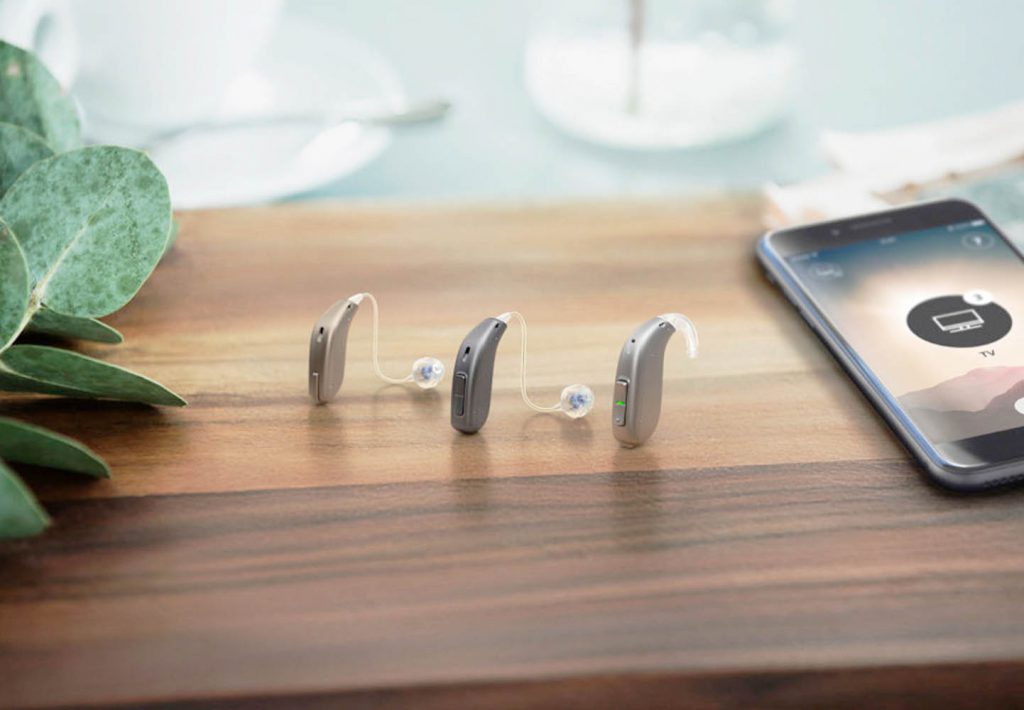
Although there are many reasons to use hearing aids, actually wearing them can be challenging. Many people feel frustrated when encouraged to use them regularly. Hearing sounds that have been absent for a long time takes time to adjust to, and pushing yourself too hard can cause headaches or fatigue.
Therefore, it’s important to know your limits and take a gradual approach. You can set a pace for yourself to get used to hearing sounds without rushing. Set reasonable daily goals, such as, “Today I want to hear the birds,” or “Try reading the newspaper while wearing my hearing aids today.” By allocating time each day to wear your hearing aids, it becomes easier to use them for longer periods.
Following guidance from a hearing specialist is also very important. They provide advice on using your hearing aids effectively. For example, if you are unsure whether your senior hearing aids are functioning optimally or need further adjustment, they can help find the settings that work best for you, treating you like a member of their own family.

Once you start getting used to the sounds, should you gradually increase the time you wear your hearing aids? Yes, even increasing wear time by just half an hour at a time is sufficient—there’s no need to rush. Keeping a daily record of how often and how long you wear your hearing aids can be very helpful. If your hearing aids are rechargeable, you can also use break times to recharge the battery.
Try sitting down and listening carefully to the sounds around you. Can you hear natural sounds? Do you notice the TV, radio, or people speaking? Start by wearing your hearing aids in a quiet environment, then gradually expose yourself to new places and sounds, such as traffic or conversations.
Try talking to yourself. Although at first you may not like the amplified sound of your own voice, practicing self-talk frequently will help you get used to it again. As you begin to engage in more conversations, you will gradually become more comfortable and familiar with your own voice.
Facing hearing loss is something you can manage yourself, and hearing aids assist you with automatic sound adjustment technology tailored to your environment. For example, if you move from a quiet room to a noisy street, the hearing aid detects the change in sound levels and adjusts the microphone settings to focus on speech while minimizing background noise. This feature ensures comfortable and natural listening without manual adjustments, providing maximum clarity across various listening environments. By dedicating time and attention to wearing your hearing aids, your hearing will gradually improve. If you’re unsure which hearing aid to choose, researching your options will help you find the most suitable device. The more comfortable you feel with your hearing aids, the more you’ll want to wear them consistently.
We offer a wide range of hearing aid models, and you can schedule a free trial session to consult with our specialists and find the best hearing management solution for you.
At Digibionic, we provide after-sales services, including maintenance every two months to ensure clear sound and extend the life of your hearing aids. This includes cleaning with specialized equipment, vacuum dehydration, and replacing external parts to optimize hearing performance—all free of charge.
Let people experience the beauty of hearing aids and hear the sounds of their family’s love once again.
If you wish to share that love with Digibionic, please contact us…


3 Ways to Choose a Hearing Aid: Expensive hearing aids may have many features, but a high-priced hearing aid might not be suitable for you!
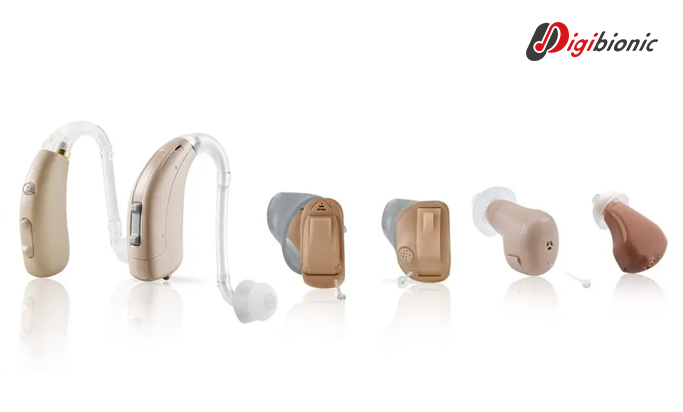
Why do hearing aid prices vary by model? One factor that increases the price is the technology, research and development, as well as the capabilities of the hearing aid.

Currently, it is found that up to 80% of seniors experience hearing loss due to age-related auditory nerve degeneration, typically starting between the ages of 60 and 80.
เราใช้คุกกี้เพื่อพัฒนาประสิทธิภาพ และประสบการณ์ที่ดีในการใช้เว็บไซต์ของคุณ คุณสามารถศึกษารายละเอียดได้ที่ นโยบายความเป็นส่วนตัว และสามารถจัดการความเป็นส่วนตัวเองได้ของคุณได้เองโดยคลิกที่ ตั้งค่า