

Choosing a hearing aid is an important decision and can often feel confusing, as there are many types and features to consider. It’s similar to walking into a mobile phone store—even if you’ve done your research beforehand, questions often arise when deciding which phone to buy. If you are looking for a hearing aid for the elderly but are unsure which type to choose, this article will help by posing expert questions to give you a clearer understanding.
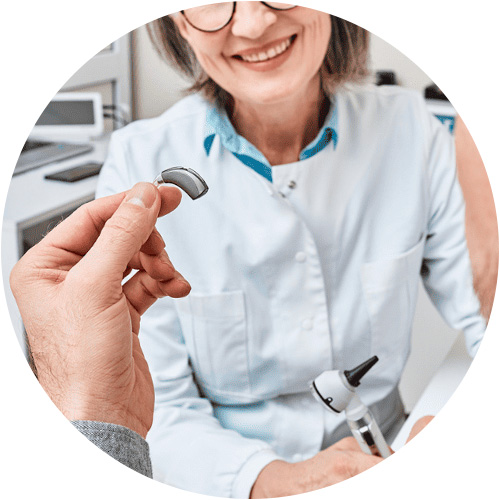
Answer: In the past, people didn’t fully understand binaural (two-ear) hearing and believed that hearing with just one ear was enough. As a result, those with hearing loss in both ears were often not encouraged to use hearing aids in both ears. However, hearing loss varies from person to person, so it’s important to have a hearing test to confirm whether both ears are affected.
If you choose to wear a hearing aid in only one ear, it is recommended to use it on the ear with “better hearing.”
Read the article “Can I Wear a Hearing Aid in Just One Ear?” Click here.
Answer: Hearing loss varies from person to person, so a hearing assessment should be conducted first. If hearing loss affects both ears, it’s important to understand the benefits of using hearing aids in both ears, including:
Clearer perception of surrounding sounds compared to using a single hearing aid
Easier listening and understanding in noisy or crowded environments
Improved ability to localize the direction of sounds
Better sound quality
More natural sound experience
Wider hearing range
Enhanced sound recognition
Prevention of further deterioration in one ear
Easier listening without extra effort
Balanced hearing and improved sound dimension
Answer: If you find that you cannot hear clearly when talking to others—having to ask them to repeat themselves or speak louder—and it affects your work, social life, or makes you reluctant to communicate, you should see a doctor for a hearing assessment. If the hearing loss is irreversible, using a hearing aid is recommended to improve hearing and address difficulties in work or social situations.
Answer: If hearing loss affects daily communication, it is recommended to use a hearing aid as soon as possible, even if it does not yet meet the criteria for a hearing disability certificate. Hearing loss cannot be restored and may worsen over time. The effectiveness of a hearing aid depends on the level and duration of hearing loss. To achieve the best results, hearing issues should be identified early, and hearing aid use should begin promptly.
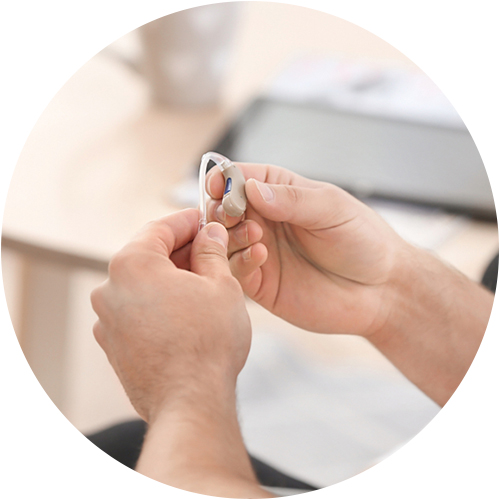
Answer: Each hearing aid brand offered by Digibionic is a high-quality digital hearing aid for seniors, with different strengths in digital features. It is recommended to make an appointment at the Digibionic Hearing Center for a hearing assessment, where specialists will advise on the brand and model that best suit your test results and personal needs, allowing you to try and compare options.
Answer: In the past, analog hearing aids or basic digital models lacked effective feedback management technology, so whistling could occur if the earphone or earmold did not fit snugly. However, with technological advancements, modern high-end digital hearing aids have excellent feedback management. If the earphone or earmold is properly matched to your hearing and ear shape and worn correctly according to instructions, whistling will not occur.
Both types are not significantly different in durability. Rechargeable hearing aids need to be charged daily, while battery-operated ones require regular battery replacement. You can choose according to the lifestyle that suits you. Each brand tests the performance of their rechargeable batteries and provides official information. You can consult a specialist at a hearing center to learn about the battery life of rechargeable models for each brand.
At Digibionic, we offer ear‑mold services to ensure that hearing aids or earmuffs fit the unique shape of your ears, providing maximum comfort and clear, effective sound.
At Digibionic, we offer a “monthly hearing aid rental” service, allowing you to try high-quality hearing aids without a large upfront investment, reducing the risk of choosing a device that doesn’t meet your needs. We also provide “installment payment” options via bank credit cards or in-store cash installments, making advanced hearing aid technology accessible for customers with limited budgets.
Read the article “Digibionic Hearing Aid Rental” here.
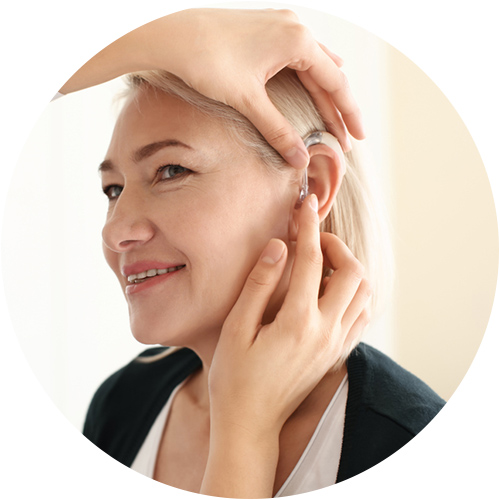
Headaches can occur and usually require an adjustment period. If you are just starting to use a hearing aid, your body may need time to adapt, which can cause temporary dizziness. It is recommended to remove the hearing aid when symptoms improve and then try wearing it again. If headaches persist, the problem may be due to unbalanced hearing from hearing aid settings or an underlying hearing-related condition, such as unequal inner ear fluid.
At Digibionic, specialists schedule follow-ups every two months to monitor your hearing. However, if you need hearing adjustments before your scheduled appointment, you can visit any Digibionic branch worldwide for service.
At Digibionic, we can upgrade your hearing aid model to provide an improved hearing experience that better meets your needs.
We offer a 1–2 year warranty on hearing aids, starting from the date of delivery and ending when the period expires. If any issues arise with the hearing aid, we provide a free replacement.
We provide professional maintenance services for hearing aids throughout their lifespan to address any issues. Free maintenance includes cleaning the hearing aid every two months, moisture sterilization, replacing sound tubes (BTE) and earpieces, changing wax filters (RIC, CIC, ITC), and free battery replacement. You can also have your hearing aid settings adjusted anytime and receive an annual hearing test for free, ensuring optimal performance.


3 Ways to Choose a Hearing Aid: Expensive hearing aids may have many features, but a high-priced hearing aid might not be suitable for you!
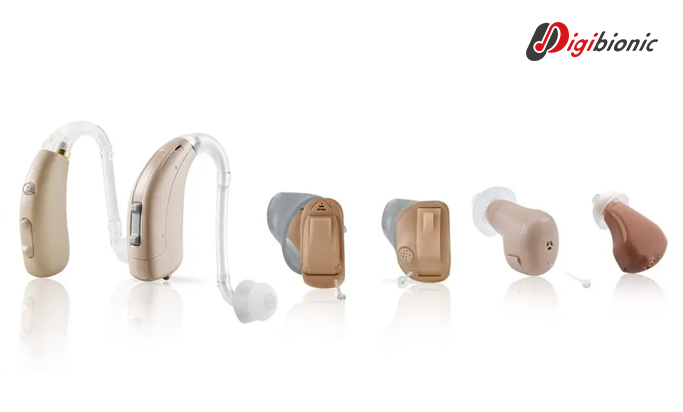
Why do hearing aid prices vary by model? One factor that increases the price is the technology, research and development, as well as the capabilities of the hearing aid.

Currently, it is found that up to 80% of seniors experience hearing loss due to age-related auditory nerve degeneration, typically starting between the ages of 60 and 80.
เราใช้คุกกี้เพื่อพัฒนาประสิทธิภาพ และประสบการณ์ที่ดีในการใช้เว็บไซต์ของคุณ คุณสามารถศึกษารายละเอียดได้ที่ นโยบายความเป็นส่วนตัว และสามารถจัดการความเป็นส่วนตัวเองได้ของคุณได้เองโดยคลิกที่ ตั้งค่า