5 Things You Need to Know
About Adapting to Hearing Aids

When you have hearing difficulties, senior hearing aids can help improve your hearing and enhance your quality of life. However, for those who are just starting to use hearing aids, an adjustment period is often necessary. If you are a first-time hearing aid user, there are ways to make the adaptation process easier.

Learn the Basics of Using Hearing Aids

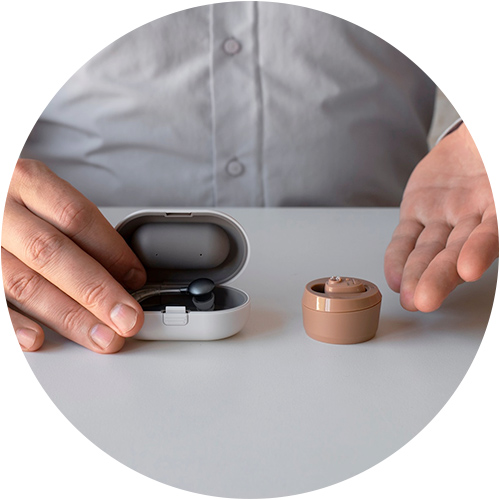
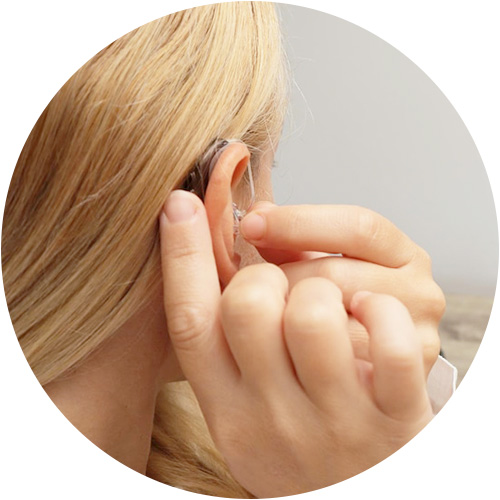
A hearing specialist who fits your senior hearing aids will teach you how to use them, including how to insert, remove, clean, and change batteries. They will also advise you on how many hours per day to wear your hearing aids during the adjustment period. It is important to follow these instructions carefully, and if you are unsure about anything, ask your hearing specialist at your hearing aid provider.

5 Things You Need to Know When Adjusting to Hearing Aids

It’s normal to feel like removing or stopping use of your hearing aids, especially during the first few days and weeks of adjustment. You may notice the following:

  1. Hearing aids feel uncomfortable
    You may not like how the hearing aids sit in your ears. (They should not cause pain—if they do, notify your specialist immediately.) Experts may recommend starting with short periods each day to help you get used to wearing them.

  2. Your own voice sounds too loud
    This is called the Occlusion Effect, where your voice seems louder when wearing a hearing aid or other in-ear device, such as earphones or earplugs.
    How it happens: When the hearing aid partially blocks the ear canal, sounds from your own voice reflect back inside the ear instead of escaping, making your voice seem louder than usual. Most users get used to it over time, but if it is bothersome, your specialist can adjust the device to reduce this effect.

  3. You hear background noise
    Background noise includes unwanted sounds that are not from the source you want to hear, such as conversations in a restaurant, air conditioning, or traffic. Hearing aids may amplify these sounds along with the ones you want to hear, making listening more difficult or uncomfortable. This is normal, but if background noise is excessive or bothersome, consult your specialist.

  4. You hear whistling or feedback
    Whistling occurs when amplified sound from the hearing aid is picked up and re-amplified, creating a loop that produces a high-pitched squeal. This often happens if the hearing aid doesn’t fit properly or if there is earwax or moisture in the ear. Contact your specialist immediately if this occurs.

  5. You hear humming when using a phone
    Humming is a low, steady noise similar to a machine or electrical appliance. It can occur when using a hearing aid with certain digital phones, interfering with phone conversations. Modern technology has reduced this issue, but it’s best to test your phone with the hearing aid during fitting to ensure they do not interfere with each other.

Adjusting and Getting Used to Hearing Aids

The brain needs time to adjust after being deprived of sound for a long period. Gradually adapting to hearing aids will help you listen more comfortably.

Step 1: Get familiar with hearing aids in a quiet environment

  • Training period: 1–2 weeks

  • Wearing time: 1–4 hours per day

  • Location: At home

Start by practicing how to insert and remove your hearing aids correctly and get used to the feeling of comfort. Turn on the device at a volume that feels comfortable. At this stage, you’ll begin learning and getting familiar with the sounds around you.

Communication strategy:
Focus on one-on-one conversations. Ask your conversation partner to speak slowly and face you. Practice listening to your own voice and adjust your speaking volume accordingly.


Step 2: Communicate with multiple people in a quiet environment, use the phone, and watch TV

  • Training period: 1–2 weeks

  • Wearing time: 4–6 hours per day

  • Location: At home or in a quiet place

You’re becoming familiar with the sound characteristics of your hearing aids. Practice conversing with several people, using the phone, and listening to TV.

Communication strategy:
Speak at an appropriate volume, talk slowly, and face the speaker. Use the hearing aid features to enhance listening clarity.


Step 3: One-on-one conversations in moderately noisy environments

  • Training period: 1–2 weeks

  • Wearing time: 6–8 hours per day

  • Location: Outdoors, avoiding very loud places such as KTV, busy markets, or heavy traffic streets

You are now more accustomed to the sounds from your hearing aids. Begin using them outdoors, listening to traffic, wind, and sounds in shops.

Communication strategy:
Start conversations in environments with moderate background noise with 1–2 people.


Step 4: Communicate in diverse, noisy environments

  • Training period: 1–2 weeks

  • Wearing time: All day, except during sleep or showering

  • Location: General public areas, avoiding extremely loud places such as KTV or heavy traffic streets

You can now use your hearing aids more fully and adapt to surrounding sounds.

Communication strategy:
In noisy environments, when talking with 1–3 people, maintain a proper distance, speak slowly, and keep topics simple. This allows your hearing aid technology to optimize listening quality.


Adjusting to hearing aids takes time, but with consistent practice and use, you can fully utilize them and improve your daily listening experience.

Modern senior hearing aids have advanced features such as remote adjustments and automatic sound adaptation to different environments, making them convenient for users who cannot frequently visit service centers.

In summary, using senior hearing aids can significantly improve hearing and quality of life. Beginners should follow audiologist guidance on usage, insertion, removal, and maintenance. Common issues like discomfort, loud perception of your own voice, or background noise can be resolved with professional adjustments. Start in quiet environments and gradually increase complexity. Modern features make adaptation easier and more convenient in all situations.

Digibionic Hearing Aids Store offers trials of digital hearing aids with high-quality sound adjustment features, allowing you to gradually get accustomed to sounds comfortably and effectively. If you would like information about senior hearing aids or hearing aids at a suitable price, please call 02-115-0568. Listening is a gradual rehabilitation process. We have 6 branches in Bangkok ready to adjust your hearing aids to your preferences. Because love helps you hear.

Expert guidance from specialized hearing professionals

At Digibionic Hearing Center, we offer comprehensive services.

Whether it’s a hearing assessment, hearing aid trial, or hearing consultation, we offer free services. We also provide home visits in Bangkok for those unable to visit our branches. Currently, we have branches across Bangkok ready to serve you conveniently:
Sena Nikhom Branch
Sam Yot Branch
Saphan Khwai Branch
Udomsuk Branch
Bang Kapi Branch
Bang Khae Branch

All of our branches have professional specialists with the knowledge and experience to provide the best guidance and services. Visiting a Digibionic Hearing Center ensures you receive a thorough hearing assessment and advice tailored to your needs. Don’t hesitate to contact the Digibionic Hearing Center nearest you or call 02-115-0568 to schedule an appointment. We are ready to help you fully enjoy the sounds around you and live a high-quality life.

Interesting Articles

"Must-See for Beginners" – Expert Recommendations

3 Ways to Choose a Hearing Aid: Expensive hearing aids may have many features, but a high-priced hearing aid might not be suitable for you!

Hearing Aid Prices 2024?

Why do hearing aid prices vary by model? One factor that increases the price is the technology, research and development, as well as the capabilities of the hearing aid.

Choosing a Hearing Aid for Seniors

Currently, it is found that up to 80% of seniors experience hearing loss due to age-related auditory nerve degeneration, typically starting between the ages of 60 and 80.

เราใช้คุกกี้เพื่อพัฒนาประสิทธิภาพ และประสบการณ์ที่ดีในการใช้เว็บไซต์ของคุณ คุณสามารถศึกษารายละเอียดได้ที่ นโยบายความเป็นส่วนตัว และสามารถจัดการความเป็นส่วนตัวเองได้ของคุณได้เองโดยคลิกที่ ตั้งค่า

Privacy Preferences

คุณสามารถเลือกการตั้งค่าคุกกี้โดยเปิด/ปิด คุกกี้ในแต่ละประเภทได้ตามความต้องการ ยกเว้น คุกกี้ที่จำเป็น

Allow All
Manage Consent Preferences
  • Always Active

Save